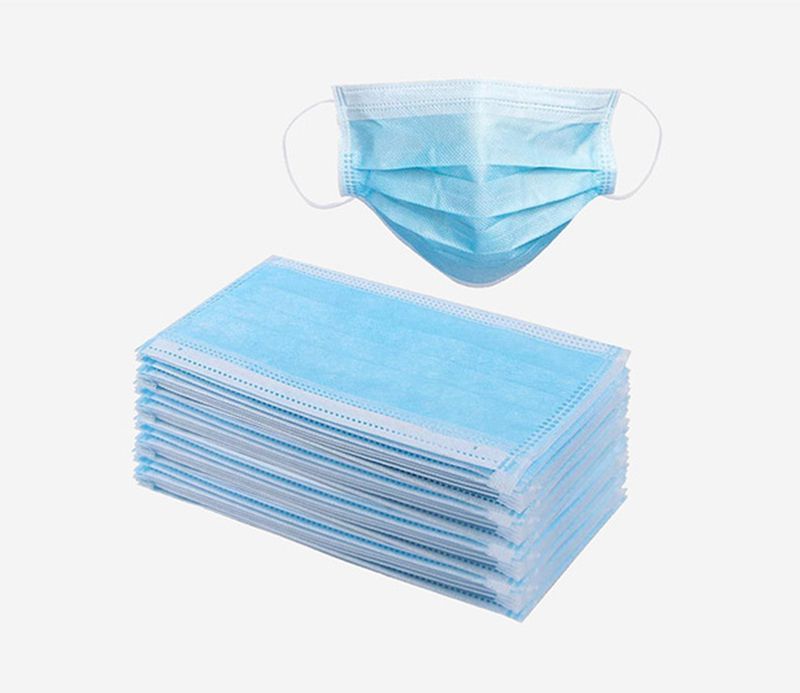
In the wake of the global COVID-19 pandemic, 3-ply surgical face masks have become indispensable in protecting public health. Understanding the manufacturing standards of these masks is crucial for ensuring their efficacy in filtration and comfort. This article elaborates on the various standards, materials, and quality checks involved in the production of 3-ply surgical face masks, providing essential knowledge for healthcare professionals, manufacturers, and consumers alike.
Understanding 3-Ply Surgical Face Masks
- Definition and Purpose
- What are 3-ply surgical face masks?
- Importance in infection control.
- Components of 3-Ply Face Masks
- Outer layer: Water-resistant properties.
- Middle layer: Filtration efficiency and bacterial filtration.
- Inner layer: Comfort and moisture absorption.
Manufacturing Standards and Regulations
- International Standards
- ASTM Level 1, 2, and 3 Standards – detailing filtration and breathability.
- ISO 13485 – the standard for quality management systems in medical devices.
- FDA Regulations
- Guidelines for medical devices and face masks.
- Emergency Use Authorization (EUA) specifics for COVID-related masks.
Quality Control Procedures
- Testing for Compliance
- Bacterial Filtration Efficiency (BFE) testing methodologies.
- Particle Filtration Efficiency (PFE) assessments.
- Material Validation
- Assessment of non-woven fabric quality.
- Durability testing under various conditions.
Best Manufacturing Practices
- Raw Material Selection
- Choosing the right type of polypropylene for non-woven layers.
- Importance of hypoallergenic materials.
- Production Environment
- Cleanroom standards to reduce contamination risks.
- Implementation of ISO 14644 standards for cleanroom performance.
Regulatory Compliance and Certification
- Obtaining Necessary Certifications
- Process for getting FDA clearance.
- Importance of CE marking for European markets.
- Documenting Compliance
- Maintaining records of quality testing and inspections.
- Regular audits and updates to comply with changing regulations.
Conclusion and Future Perspectives
- Adapting to New Challenges
- Trends towards sustainable and biodegradable materials in mask production.
- Innovation in mask design for enhanced comfort and protection.
For additional resources and visuals related to surgical masks, explore this informative image.
Key Ingredients for Effective Manufacturing
- Innovation in Production Techniques
- Utilizing advanced automation in mask production.
- Continuous research on effective filtration technologies.
- Consumer Education
- Importance of understanding mask specifications for buyers.
- Best practices for wearing and disposing of surgical masks.