Can you put medical tape directly on skin?
2026-06-12
Yes, medical tape can generally be applied directly to the skin — but it depends on the type of tape, the condition of the skin, and how long it will remain in place. Using the appropriate tape correctly is important to avoid skin irritation or damage.
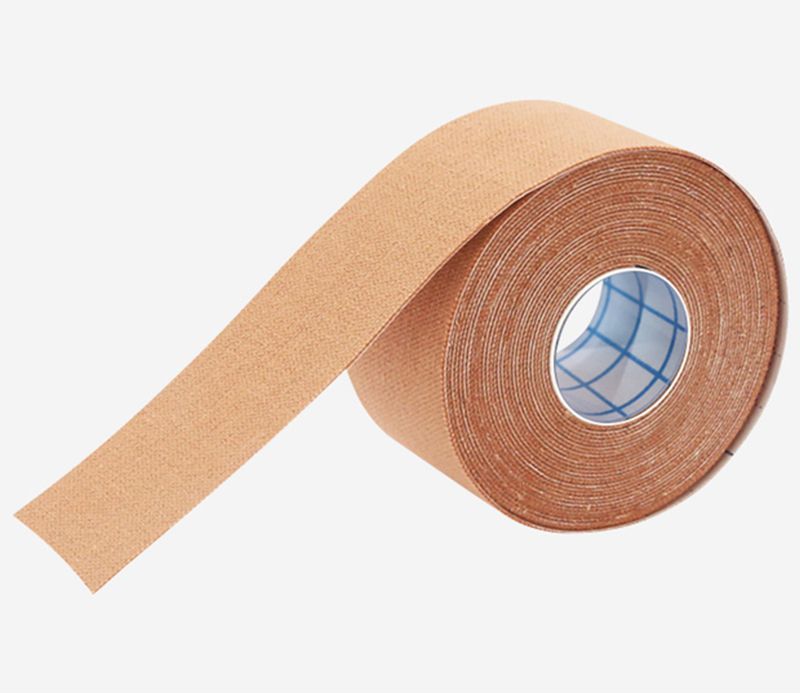
When It Is Safe to Apply Medical Tape Directly
Medical tape is commonly placed directly on intact skin to:
Secure wound dressings
Fix IV lines or catheters
Stabilize gauze pads
Support minor sprains (depending on tape type)
Most medical tapes are designed to be skin-friendly, breathable, and hypoallergenic, making them suitable for direct skin contact in clinical settings.
Types of Medical Tape and Skin Compatibility
Different tapes have different adhesion strengths and skin tolerances.
• Paper Tape
Lightweight and breathable
Suitable for sensitive or fragile skin
Commonly used for elderly or pediatric patients
• Non-Woven (Microporous) Tape
Flexible and comfortable
Good for routine dressing fixation
• Silk Tape
Stronger adhesion
Used when secure fixation is required
• Cloth or Zinc Oxide Tape
High tensile strength
Often used for sports support or firm fixation
May not be suitable for delicate skin
Choosing the right type reduces the risk of irritation or skin injury.
When Caution Is Needed
Medical tape should not be applied directly if:
The skin is broken, infected, or severely irritated
The patient has adhesive allergies
The area is moist, oily, or heavily perspiring
Long-term fixation may cause skin stripping
Repeated removal of strong adhesive tape can damage the outer skin layer, especially in elderly patients or those with fragile skin.
Potential Skin Reactions
Although medical tapes are designed for safety, possible reactions include:
Mild redness
Itching
Skin peeling
Allergic contact dermatitis (rare but possible)
Using hypoallergenic or low-adhesion tape helps reduce these risks.
Best Practices for Safe Application
To safely apply medical tape directly to skin:
Ensure skin is clean and dry
Avoid excessive stretching during application
Press gently to secure adhesion
Remove slowly and in the direction of hair growth
Consider adhesive removers for sensitive patients
Proper technique minimizes discomfort and skin trauma.
Conclusion
Medical tape can be placed directly on healthy skin and is routinely used for securing dressings and medical devices. However, selecting the appropriate tape type and considering patient skin condition are essential to prevent irritation or injury.
In clinical environments, choosing skin-friendly, breathable, and appropriately adhesive tape supports both patient comfort and secure fixation.