Disposable Blood Transfusion Devices: Ensuring Safe and Reliable Patient Care
2025-12-29
Disposable blood transfusion devices are critical components in modern medical practice, designed to deliver blood and blood products safely from storage units to patients. As part of the category of Disposable Medical Devices, these devices help healthcare providers maintain strict hygiene standards while ensuring accurate and controlled transfusion.
Clinical Applications
Disposable blood transfusion devices are widely used in:
Hospitals and surgical units for perioperative transfusions
Emergency rooms during trauma or acute blood loss
Oncology and hematology departments for blood and platelet transfusions
Intensive care units requiring continuous monitoring and transfusion
Blood banks and outpatient infusion centers
By providing a reliable method of transferring blood products, these devices play a vital role in patient safety and treatment efficacy.
Advantages of Single-Use Design
As disposable medical devices, these transfusion sets are intended for one-time use. This approach offers multiple benefits:
Minimizes the risk of cross-contamination and infection
Eliminates the need for cleaning or sterilization
Ensures consistent and reliable performance for each transfusion
Simplifies inventory management for healthcare providers
The single-use nature of these devices aligns with strict infection control protocols in hospitals and other medical facilities.
Structure and Material Features
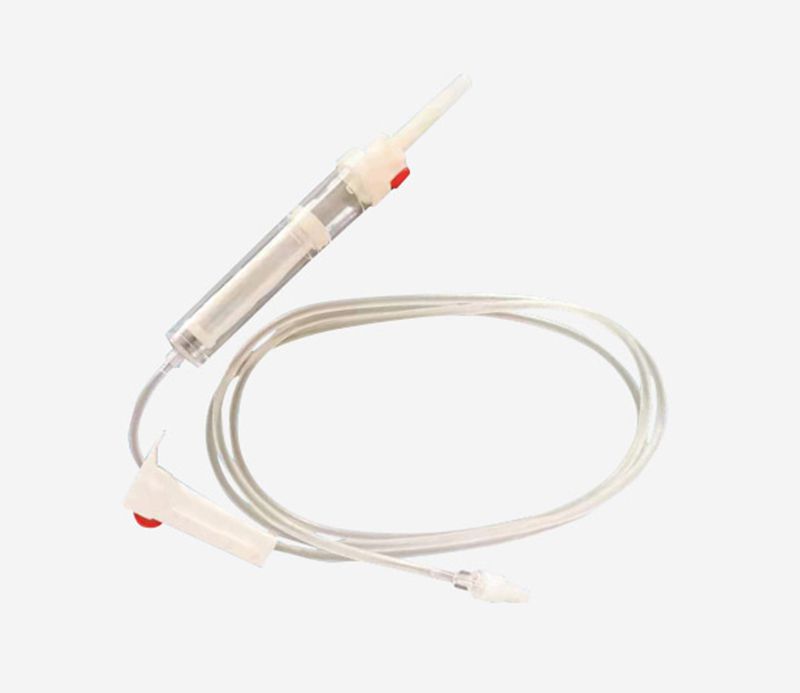
A typical disposable blood transfusion device consists of:
Sterile tubing for safe blood flow
Luer lock or compatible connectors for secure attachment to IV lines
Integrated drip chamber for monitoring flow
Roller clamps for precise flow control
Filters to remove air bubbles or particulate matter
High-quality devices are made from biocompatible, medical-grade plastics, ensuring patient safety and device reliability.
Manufacturing and Quality Standards
Given the critical nature of blood transfusion, disposable transfusion devices are manufactured under strict quality standards:
Production in controlled cleanroom environments
Batch-level testing for leaks, flow rate, and sterility
Compliance with ISO 13485 and other medical device regulations
Sterile packaging to maintain device integrity until use
These quality measures ensure safe, consistent performance in clinical settings.
Procurement Considerations
When sourcing disposable blood transfusion devices, healthcare institutions and distributors typically consider:
Compatibility with hospital blood storage and administration systems
Reliable sterility and material safety
Availability for bulk orders or emergency requirements
Regulatory compliance for local and international markets
A dependable supply of high-quality transfusion devices is critical to maintaining uninterrupted patient care.
Importance in Modern Healthcare
Disposable blood transfusion devices remain a cornerstone of safe and effective transfusion therapy. Their role within Disposable Medical Devices highlights their importance in preventing infection, ensuring accurate delivery, and supporting high standards of patient care across hospitals, clinics, and blood banks.