Guide to Using Infusion Set With Needle in Clinical Practice
2026-07-16
In clinical practice, the use of an Infusion Set With Needle is crucial for delivering medication and fluids to patients efficiently. This guide will walk you through the essential aspects of using an infusion set, including its components, best practices for insertion, maintenance procedures, and patient education. Understanding how to effectively utilize this device will enhance patient comfort and safety during treatment.
1. Understanding the Infusion Set with Needle
- Definition and Purpose
- An infusion set with needle allows healthcare professionals to administer IV medications and fluids directly into the bloodstream.
- Commonly used in hospitals, outpatient settings, and home healthcare.
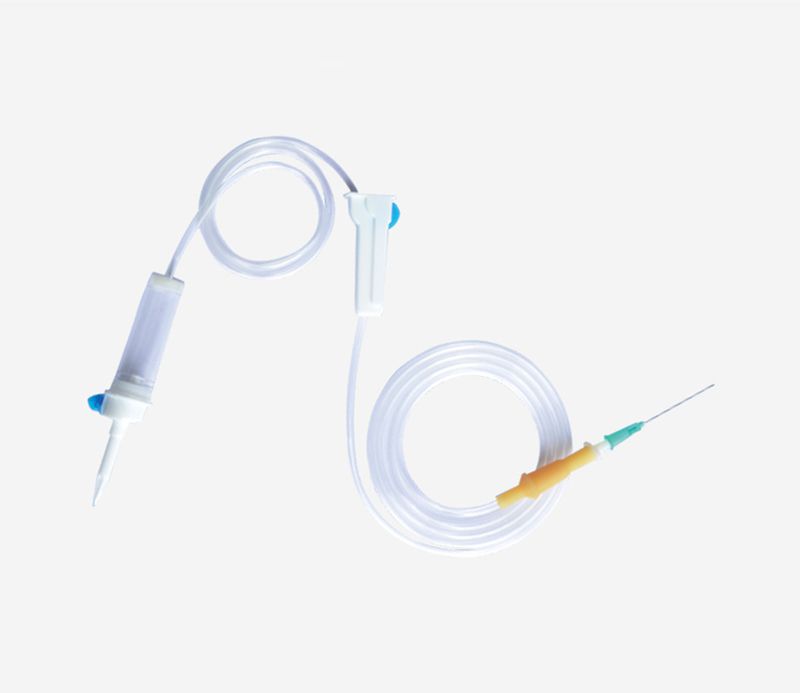
- Components of the Infusion Set
- Needle: Typically a sharp, tapered instrument used for puncturing the skin.
- Catheter: A flexible tube that extends from the needle into the vein.
- Infusion tubing: Connects the catheter to the IV bag or syringe.
- Roller clamp: Controls the flow rate of the fluid.
- Protective cover: Aids in maintaining sterility until use.
2. Step-By-Step Guide for Insertion
- Preparation
- Gather all necessary supplies: Infusion set, antiseptic wipes, adhesive tape, gauze, and a sharps container.
- Wash hands thoroughly and wear gloves to maintain a sterile environment.
- Selecting the Insertion Site
- Choose a site with visible veins, typically on the forearm or back of the hand.
- Avoid areas near joints, scars, or any visible signs of infection.
- Cleaning the Site
- Use antiseptic wipes to clean the site in a circular motion, starting from the center and moving outward.
- Allow the site to dry completely to maximize sterility.
- Inserting the Needle
- Hold the needle like a dart at a 15-30 degree angle.
- Gently puncture the skin and advance into the vein until a flashback of blood is seen.
- Securing the Infusion Set
- Stabilize the catheter while withdrawing the needle and promptly cover the site with gauze and adhesive tape.
3. Maintenance Procedures
- Monitoring for Complications
- Regularly check for signs of infection, phlebitis, or extravasation.
- Instruct the patient on symptoms to report immediately such as redness, swelling, or increased pain.
- Changing Infusion Sites
- Rotate the site every 72-96 hours as per CDC guidelines to prevent complications.
- Document all site changes in the patient’s medical record.
4. Patient Education
- Explaining the Procedure
- Clearly explain to the patient what to expect during the infusion process.
- Provide reassurance regarding safety and pain management techniques.
- Home Care Instructions
- Instruct the patient on how to identify signs of infection or complications.
- Provide guidelines on caring for the catheter and site, including cleaning and dressing changes.
5. Importance of Documentation
- Document the date and time of the infusion, the site of insertion, and any complications noted during the procedure.
- Maintain a log of all infusions provided to easily assess the patient's treatment history.
6. Conclusion
- The effective use of infusion sets with needles in clinical practice is paramount for patient care.
- By following these guidelines, healthcare professionals can ensure safe and efficient administration of therapies.
Additional Considerations for Safe Practices
- Staying Updated with Training
- Participate in regular training sessions on new techniques and CDC guidelines.
- Utilizing Technology
- Consider using infusion pumps that can enhance precision in medication delivery.