How do wound patches work?
2026-05-14
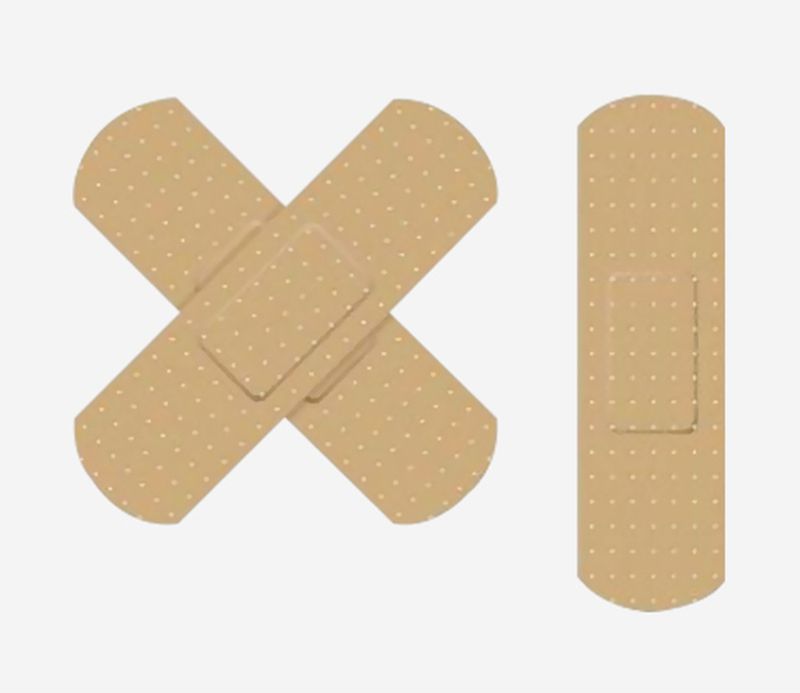
Wound patches are medical dressings designed to protect injuries, promote healing, and reduce the risk of infection. They are commonly used in hospitals, clinics, and home care settings for managing minor cuts, abrasions, surgical incisions, and superficial wounds.
Modern wound patches are more than simple coverings — they are engineered to create an optimal healing environment.
Protection from External Contamination
The primary function of a wound patch is to act as a protective barrier.
It helps:
Prevent bacteria and dirt from entering the wound
Reduce exposure to friction and irritation
Protect against water and environmental contaminants
This barrier function lowers the risk of infection and supports uninterrupted healing.
Absorption of Wound Exudate
Many wound patches include an absorbent pad that:
Draws fluid (exudate) away from the wound surface
Prevents excessive moisture buildup
Reduces skin maceration around the wound
Managing exudate is important because too much moisture can delay healing, while too little can dry out tissue.
Maintaining a Moist Healing Environment
Modern wound care follows the principle that moist wounds heal faster than dry wounds.
Certain advanced wound patches (such as hydrocolloid or film dressings) help:
Retain balanced moisture levels
Promote cell migration
Support natural tissue regeneration
This controlled environment speeds up re-epithelialization and reduces scab formation.
Supporting Tissue Repair
Some wound patches are designed with additional features such as:
Breathable backing layers
Semi-permeable membranes
Adhesive borders that secure the dressing without restricting circulation
These elements allow oxygen exchange while maintaining protection, which is essential for tissue repair.
Reducing Pain and Trauma During Removal
Quality wound patches are engineered to:
Minimize adhesion to the wound bed
Reduce pain when changing dressings
Prevent secondary injury to new tissue
Non-stick absorbent pads help ensure that healing tissue is not damaged during removal.
Types of Wound Patches and How They Function
Different wound patches work in slightly different ways:
• Standard Adhesive Wound Patches
Used for minor cuts and abrasions. Provide basic protection and absorption.
• Transparent Film Dressings
Allow visual monitoring of the wound while protecting against bacteria and moisture.
• Hydrocolloid Patches
Form a gel when in contact with wound fluid, maintaining moisture and supporting healing.
• Antimicrobial Patches
Contain agents that help reduce bacterial growth in high-risk wounds.
When Are Wound Patches Used?
Wound patches are commonly applied for:
Minor cuts and scrapes
Post-injection care
Post-surgical incisions
Blisters
Superficial burns
The choice of patch depends on wound size, exudate level, and clinical requirements.
Conclusion
Wound patches work by protecting the injury, managing moisture, absorbing exudate, and supporting natural tissue repair. By creating a controlled healing environme