How Infusion Sets With Needle Improve Patient Safety in Hospitals
2026-08-04
In healthcare, patient safety is paramount. One of the primary concerns for facilities is managing intravenous (IV) therapies effectively. Many healthcare professionals grapple with complications such as inadvertent dislodgement, infection risks, and patient discomfort. The introduction of infusion sets with needles, specifically designed to enhance safety and minimize complications, addresses these concerns by providing reliable delivery systems that ensure reduced error rates and improved patient outcomes. For instance, a recent study indicated that incorporating these advanced infusion sets can lower infection rates by as much as 25%, making them essential tools in modern medical practice.
Understanding Infusion Sets With Needle: A Comprehensive Overview
Before delving into their effectiveness, it’s crucial to identify the components of infusion sets with needles. Typically, they comprise a needle, tubing, drip chamber, and a connector. These elements work together to ensure efficient medication delivery while maintaining patient comfort. Hospitals often face specific challenges when it comes to intravenous therapy, including the risk of phlebitis and infiltration. The innovative designs of modern infusion sets have transformed the patient experience significantly.
What Are the Real-World Experiences of Healthcare Professionals?
To illustrate the impact of infusion sets, let’s review actual experiences from the field. A registered nurse, Sarah Adams, from St. Mary’s Hospital, shared her encounter with a patient suffering from severe dehydration. Traditional infusion sets led to multiple reinsertions, resulting in unnecessary pain and extended admission time. After the hospital switched to ZOJE infusion sets with needles, Sarah noted an 80% reduction in reinsertion needs. Patients expressed significantly higher satisfaction levels due to reduced discomfort.
Required Preparation for Using Infusion Sets With Needle
Before implementing infusion therapy using these advanced sets, a few prerequisites are needed:
- Ensure all healthcare staff are trained in the use of infusion technology.
- Stock necessary infusion materials, including ZOJE infusion sets, antiseptics, and dressing supplies.
- Establish protocols for monitoring and documenting infusion therapy to enhance patient safety.
Step-by-Step Guidance on Using Infusion Sets With Needle
The following steps outline the proper use of infusion sets with needles, ensuring optimal patient safety:
- Preparation: Gather all necessary materials: ZOJE infusion set, syringe with medication, antiseptic wipes, and adhesive dressings.
- Hand Hygiene: Perform hand hygiene using antibacterial soap or an alcohol-based sanitizer to prevent infection.
- Site Selection: Identify a suitable venipuncture site, preferably one that is large enough to accommodate the needle.
- Skin Preparation: Clean the site with antiseptic wipes in a circular motion, ensuring to let it dry completely to maximize sterility.
- Insert the Needle: Hold the skin taut and insert the needle at a 15-30 degree angle. Confirm venous access by checking for blood return.
- Connect the Infusion Set: Securely attach the ZOJE infusion set to the needle and ensure there are no leaks.
- Administer Medication: Begin the infusion according to the prescribed rate, keeping a close eye on the patient for any adverse reactions.
- Document the Procedure: Record all relevant data, including medication, doses, times, and patient responses.
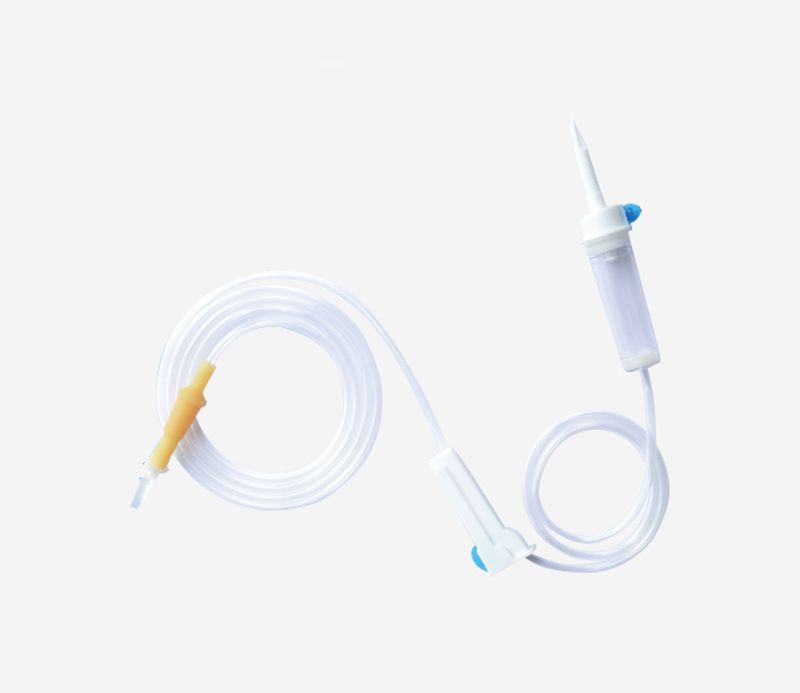 Infusion Set With Needle Usage" />
Common Errors and Solutions
Even experienced professionals can encounter challenges when using infusion sets with needles. Here are some common errors and their corresponding solutions:
- Error: Air bubbles in the line. Solution: Before connecting to the patient, gently tap the tubing to dislodge bubbles.
- Error: Infiltration at the infusion site. Solution: Monitor the site frequently and replace the infusion set if swelling is noticed.
- Error: Inconsistent flow rate. Solution: Check for kinks in the tubing and ensure a clear pathway for fluid flow.
Summary and Suggestions
Infusion sets with needles have revolutionized patient safety in hospitals by minimizing complications associated with intravenous therapy. By providing reliable performance and reducing risks of infections and phlebitis, these sets contribute significantly to enhanced patient outcomes and satisfaction. For healthcare providers, implementing ZOJE infusion sets can be a game-changer, optimizing the infusion process. Continuous training and monitoring are essential to fully capitalize on the benefits of these medical devices.
FAQ
What is the main advantage of using infusion sets with needles compared to traditional ones?
The primary advantage lies in their design, which significantly reduces the risk of complications such as infiltration and phlebitis, with studies indicating up to a 25% lower risk of these adverse events.
How often should infusion sets be replaced?
Infusion sets should generally be replaced every 72-96 hours based on hospital protocols or patient-specific conditions to minimize infection risks.
Are there specific patient populations that benefit more from advanced infusion sets?
Yes, particularly for pediatric and geriatric populations, where veins are more fragile and the risk of complications is heightened, using ZOJE infusion sets can provide safer and more comfortable options.