Infusion Set With Needle vs Needle-Free Infusion Set: Key Differences
2026-10-29
To choose between an infusion set with a needle and a needle-free infusion set, first confirm which component the word “needle” describes, then match the configuration to the patient-access method, clinical protocol, and intended use. Next, review connector compatibility, flow and priming requirements, sterility, packaging, and applicable standards; finally, assess samples and verify documentation before ordering. In this ZOJE-focused guide, we explain Infusion Set With Needle vs Needle-Free Infusion Set: Key Differences for new buyers and experienced procurement teams, with a practical checklist to support a safer, more informed decision.
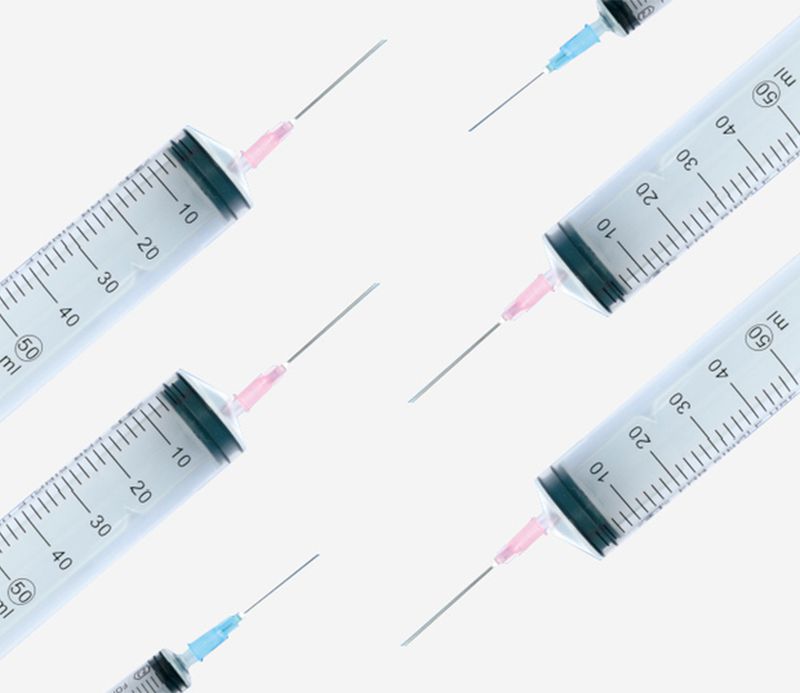
Infusion-set terminology varies across catalogs and markets. A set described as “with needle” may include a sharp needle for patient access, an injection needle or port, or a sharp spike used to pierce an IV container’s closure. Those components have different functions. A container spike is not the same as a needle inserted into a patient.
A needle-free infusion set generally uses a needleless connector or access port for medication administration. “Needle-free” does not necessarily mean the entire system contains no sharp components: a set may still have a container spike, and vascular access may use a separately selected catheter or cannula.
Before comparing products, ask the supplier to identify every component on the drawing or product specification. This simple step prevents the most common purchasing error: comparing products that serve different clinical functions.
Start by clarifying what “with needle” means
| Decision point | Set with a needle component | Needle-free set or connector |
|---|---|---|
| Access method | May use a specified needle for a particular access task; confirm whether it is for the patient, a port, or the container. | Allows access through a compatible needleless connector without inserting a needle into that connector. |
| Needlestick exposure | A sharp component can create needlestick risk during handling and disposal. | Can reduce need for a needle at the access point, but does not eliminate all sharps or all infection risks. |
| Compatibility | Needle dimensions, connection type, and intended use must match the protocol and device. | Connector type, valve design, and connection compatibility must be checked with the other components. |
| Handling and maintenance | Requires appropriate sharps handling and disposal when a needle is present. | Requires correct disinfection, access technique, and replacement practices under facility policy. |
| Best selection basis | Choose only where the specified needle component is needed and permitted by the clinical protocol. | Choose where needleless access is appropriate and the connector is compatible with the intended system. |
In short, Infusion Set With Needle vs Needle-Free Infusion Set: Key Differences are not simply “sharp versus safer.” The right choice depends on the component’s role, the full infusion pathway, and the healthcare facility’s infection-prevention and sharps-safety procedures.
Infusion Set With Needle vs Needle-Free Infusion Set: Key Differences
Follow a step-by-step selection process
Write down the intended use before requesting a quote. Specify gravity or pump use, the fluid container, patient-access device, required injection or sampling ports, tubing length, and whether the order needs a needle, a needleless connector, or both. Ask for a labeled component diagram and product code.
- Confirm whether the needle is intended for patient access, a medication port, or container access.
- Identify any required luer connections, clamps, filters, check valves, or Y-sites.
- Check that the selected configuration aligns with the approved clinical protocol and local regulations.
1. Define the clinical use and configuration
Compare connection geometry, priming volume, tubing dimensions, flow-rate requirements, and pump compatibility where relevant. Do not assume that two products are interchangeable because they look similar. Request drawings and samples when a connector interface or accessory is critical.
For dimensional control, define tolerances on the critical features in the purchase specification. A value such as 0.01 mm should be treated as a buyer-defined measurement target only when the drawing, manufacturing process, and inspection method support that precision; it is not a universal infusion-set requirement.
2. Check compatibility and performance requirements
Request the product’s intended-use statement, sterilization method, sterile-barrier information, shelf-life evidence, and traceability details. Depending on the product and market, relevant frameworks may include ISO 8536-4 for gravity-feed infusion sets, ISO 7864 for sterile hypodermic needles, ISO 10993 for biological evaluation, and ISO 11607 for packaging for terminally sterilized medical devices. ISO 11135 or ISO 11137 may be relevant to ethylene oxide or radiation sterilization, respectively. Applicability depends on the device design, claims, and jurisdiction.
For packaging validation and aging, ask whether the supplier uses an applicable method such as ASTM F1980 for accelerated aging of sterile barrier systems. Standards references are not a substitute for current certificates, test reports, regulatory review, or confirmation that the standard applies to the exact product.
3. Verify sterility, biocompatibility, and packaging evidence
Build an inspection plan around the risks identified in your specification. It may include visual checks for defects, connector fit, tubing and clamp function, package integrity, labeling, and lot traceability. Set the sample size and acceptance criteria with your quality team; do not assume a supplier’s “100% inspection” statement covers every characteristic unless the inspection scope and records are documented.
Before scaling up, compare the approved sample with the production specification and retain the relevant records. For recurring orders, agree on change notification, nonconformance handling, and batch documentation in writing.
4. Evaluate samples and incoming quality controls
Ask ZOJE or any prospective manufacturer about minimum order quantity, lead time, customization limits, packaging configuration, export documentation, and complaint handling. If response time matters, request a written service target—for example, an initial response within 24 hours—and confirm whether it applies to business days, technical questions, or urgent quality complaints.
Buyers sourcing Sterile Syringe Bulk alongside infusion sets should verify that each product has its own specification, regulatory documentation, and packaging details. A bulk syringe order does not establish compatibility with a particular infusion set or connector.
5. Confirm supply, service, and ordering details
Standards help structure a technical review, but the exact checklist should reflect the device and destination market. We recommend asking the supplier for documentation that addresses the following points:
- Product specification, component diagram, and intended use.
- Applicable conformity documents and market-specific regulatory status.
- Sterilization method, validation summary, and lot-release information.
- Biocompatibility rationale or test documentation appropriate to patient contact.
- Shelf life, sterile-barrier packaging evidence, and storage conditions.
- Traceability, change-control process, and a defined route for quality complaints.
ZOJE product information can support an initial review, but procurement teams should assess current, product-specific records rather than relying on a general company statement. The illustration below can be used as a visual starting point; confirm the exact configuration against the current technical file.
Use standards and documentation as practical checkpoints
A practical example: resolving a specification mismatch
The following is an illustrative procurement case, not a claim about a ZOJE customer. A hospital purchasing team requested an “infusion set with needle,” while its clinical unit expected a needleless medication-access port. During sample review, the teams found that the supplier’s description referred to a different needle-related component.
They paused the order, mapped each component to its function, and updated the request to specify the required connector, access method, tubing configuration, and applicable documents. The revised sample was checked against the approved drawing before purchasing resumed. The key lesson is straightforward: a one-page component checklist can prevent a costly mismatch, even when the product names appear familiar.
Tools to make supplier evaluation easier
Use this short request-for-quotation checklist when comparing Infusion Set With Needle vs Needle-Free Infusion Set: Key Differences across suppliers:
- Product code, intended use, and labeled component diagram.
- Needle or needleless connector type, location, and function.
- Connection type, tubing specification, priming volume, and pump requirements.
- Sterilization method, shelf life, packaging configuration, and storage conditions.
- Applicable standards and current product-specific test or conformity documents.
- Sample availability, acceptance criteria, lead time, and change-control terms.
- Written service expectations, including any requested 24-hour response target.
For internal review, a simple comparison spreadsheet with columns for “required,” “supplier evidence,” “sample verified,” and “open questions” helps purchasing, clinical, and quality teams make the same decision from the same information.
Common challenges and how to address them
- Ambiguous product names: Request a diagram and define the needle’s function instead of relying on a catalog title.
- Connector incompatibility: Check interface specifications and physically evaluate samples with the intended accessories.
- Incomplete standards claims: Ask which version, product scope, test method, and market the document covers.
- Confusion about needle-free safety: Treat needleless access as one part of a broader infection-prevention process; follow facility policy for disinfection and handling.
- Unverified quality promises: Define inspection scope, acceptance criteria, records, and corrective-action expectations in the quality agreement.
These checks make Infusion Set With Needle vs Needle-Free Infusion Set: Key Differences easier to apply in real purchasing decisions, while helping teams avoid unsupported assumptions about safety, performance, or regulatory status.
Make the final choice with a documented checklist
Before approving an order, confirm the intended use, identify every sharp and needleless component, verify system compatibility, review product-specific quality and regulatory evidence, and approve a sample against the specification. Then document supplier service terms and retain lot and change-control records.
For ZOJE buyers, the same disciplined approach applies whether sourcing a needle-equipped configuration, a needle-free access option, or Sterile Syringe Bulk. The central takeaway from Infusion Set With Needle vs Needle-Free Infusion Set: Key Differences is to select by function and verified evidence—not by product name alone.