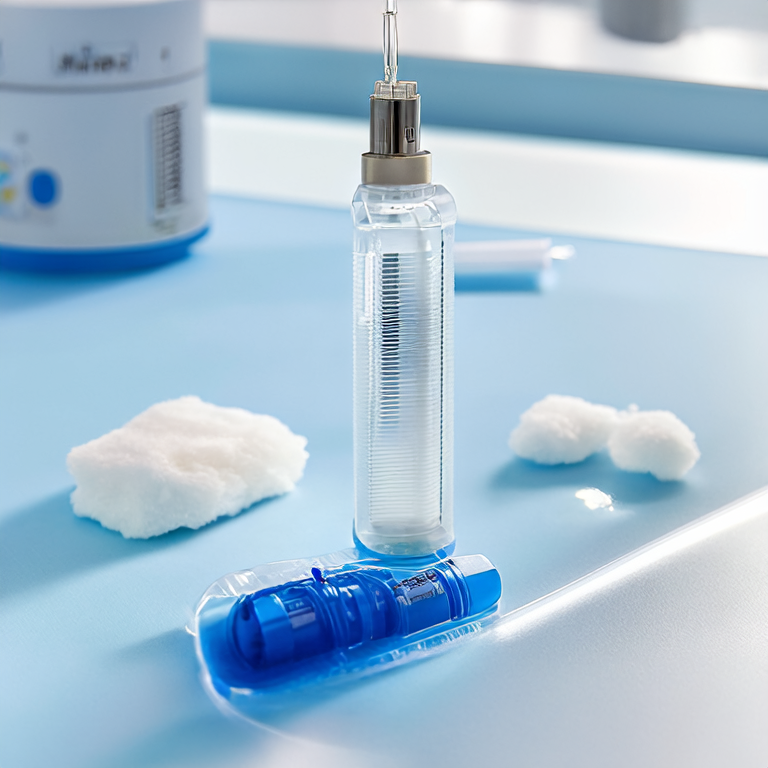
Safety Guidelines for Using Disposable Syringes in Clinics
2026-07-10
When it comes to healthcare, ensuring safety is paramount, particularly in the use of disposable syringes. As a trusted Disposable Sterile Syringe Supplier, we recognize that adherence to safety guidelines not only protects patient health but also minimizes the risk of infection and other complications in clinical settings. This article outlines essential safety protocols to follow when using disposable syringes in a clinic environment.
Understanding the Importance of Safety Guidelines
- Health Risks of Improper Syringe Use
- Infection transmission through contaminated needles.
- Accidental needlestick injuries among healthcare workers.
- Increased healthcare costs due to complications.
- Legal and Ethical Considerations
- Compliance with OSHA and CDC guidelines.
- Liability associated with negligence in safe practices.
Best Practices for Handling Disposable Syringes
- Preparation Before Use
- Ensure the syringe is sterile; inspect packaging for any damages.
- Use a clean, designated workspace free from contamination.
- Proper Injection Techniques
- Use of the correct needle size for the patient’s age and weight.
- Following the correct method for intramuscular, subcutaneous, or intravenous injections.
- Safe Disposal of Used Syringes
- Utilize puncture-proof sharps containers that are clearly labeled.
- Disposal protocol: never re-cap needles, and always dispose of used syringes immediately.
Training and Education for Healthcare Staff
- Regular Training Sessions
- Conduct comprehensive training on safe syringe handling techniques.
- Incorporate simulations and practical demonstrations.
- Keeping Up with Guidelines
- Stay updated with the latest recommendations from the CDC and WHO.
- Subscribe to industry newsletters and participate in forums.
Compliance and Inspections
- Implementing Regular Audits
- Schedule audits to ensure compliance with safety practices.
- Identify areas of improvement and address them promptly.
- Documentation Practices
- Maintain records of training sessions and compliance checks.
- Document incidents and corrective actions taken.
Addressing Patient Safety Concerns
- Educating Patients
- Provide information to patients about the procedures and safety measures in place.
- Encourage patients to voice any concerns they may have regarding injections.
- Feedback Mechanisms
- Establish a system for patients to report any issues or complications.
- Use feedback for continuous improvement of practices.
Key Considerations for Special Populations
- Adjustments for Pediatric and Geriatric Patients
- State the importance of selecting appropriate syringe sizes.
- Highlight unique considerations for administering to vulnerable populations.
- Management of Allergies and Adverse Reactions
- Ensure screening for allergies in patients before use.
- Stay prepared to manage any immediate allergic reactions that arise.
Conclusion
By following the above safety guidelines for using disposable syringes in clinics, healthcare providers can reduce risks and enhance patient safety. Regular training, compliance with regulations, and proper disposal techniques are critical components of an effective safety protocol. For more information, refer to resources like the CDC and OSHA.