The Function and Applications of Medical Tape in Healthcare
2025-12-15
Medical tape is a versatile and essential product widely used in medical practice to secure dressings, bandages, and various medical devices. As part of the category of Disposable Medical Devices, it plays a critical role in both clinical and home healthcare settings, ensuring proper wound coverage, device fixation, and patient safety.
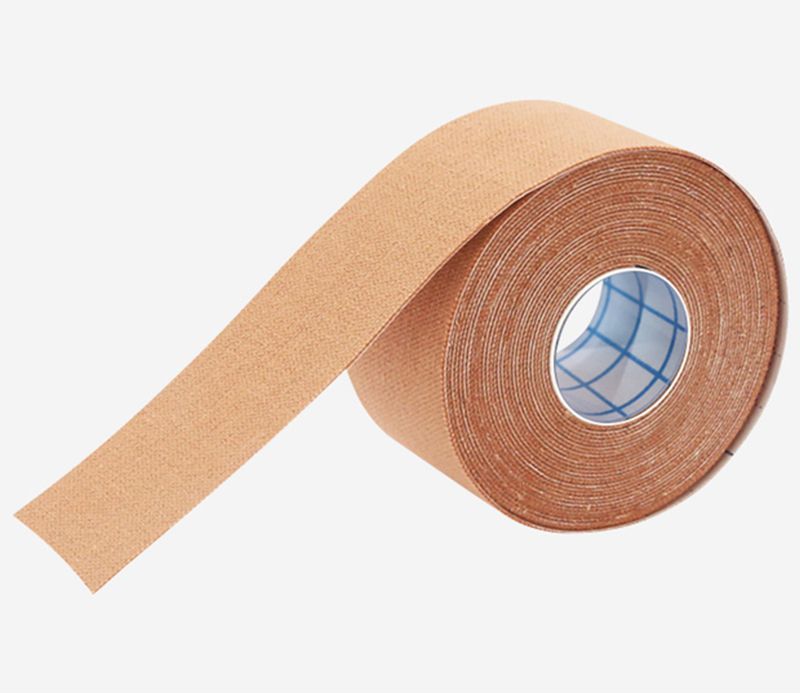
Key Functions of Medical Tape
Medical tape serves several important functions in healthcare:
Securing Dressings: Ensures that gauze pads, wound patches, or bandages remain in place during patient movement.
Stabilizing Devices: Supports the proper positioning of catheters, tubing, or other disposable medical equipment.
Protecting Wounds: Helps maintain a sterile environment by keeping dressings firmly attached, reducing contamination risks.
Supporting Healing: Properly fixed dressings prevent irritation, allowing wounds to heal efficiently.
By fulfilling these functions, medical tape contributes to smoother clinical operations and consistent patient care.
Applications in Clinical Environments
In professional healthcare settings, medical tape is used extensively:
Hospitals and Surgical Units: For post-operative dressing fixation and wound protection.
Outpatient Clinics: To secure bandages during minor procedures and follow-up care.
Emergency Rooms: For quick first-aid treatment and temporary dressing stabilization.
Laboratories and Diagnostic Centers: To safely secure disposable devices or tubes during procedures.
Reliable tape performance is essential in these high-demand environments to ensure safety and efficiency.
Use in Home and Personal Care
Medical tape is also valuable for home healthcare and personal first-aid applications. It is commonly used for:
Securing minor wound dressings
Stabilizing protective pads or splints
Maintaining hygiene and preventing contamination
Easy and safe application for family members or caregivers
Its convenience and ease of use make it a staple in household first-aid kits.
Material and Design Considerations
High-quality medical tape balances strong adhesion with comfort. Common features include:
Skin-friendly adhesive to minimize irritation
Breathable materials that allow air circulation
Flexible design to conform to body movements
Easy tear or cut properties for quick application
Materials such as hypoallergenic paper, cloth, or polymer-based tapes are often selected for their reliability and patient safety.
Manufacturing and Quality Standards
As a member of Disposable Medical Devices, medical tape is produced under controlled conditions to meet regulatory and quality requirements. Quality considerations include:
Controlled production environments to maintain hygiene
Standardized adhesive application for consistent performance
Testing for adhesion strength and flexibility
Sealed packaging to ensure sterility and cleanliness
These standards help ensure that each roll or strip performs reliably in both professional and personal settings.
Procurement Considerations
Healthcare providers, distributors, and institutions evaluate medical tape based on:
Adhesive performance and material compatibility
Consistency across production batches
Availability for bulk or repeat orders
Compliance with medical standards
A reliable supply of medical tape is crucial for maintaining efficient wound care and device management.
Conclusion
Medical tape remains a fundamental tool in healthcare due to its wide-ranging functions and applications. Its role within Disposable Medical Devices highlights its importance in securing dressings, stabilizing devices, and supporting patient safety in both clinical and home care settings.