Understanding Surgical Masks in Modern Medical Practice
2025-11-24
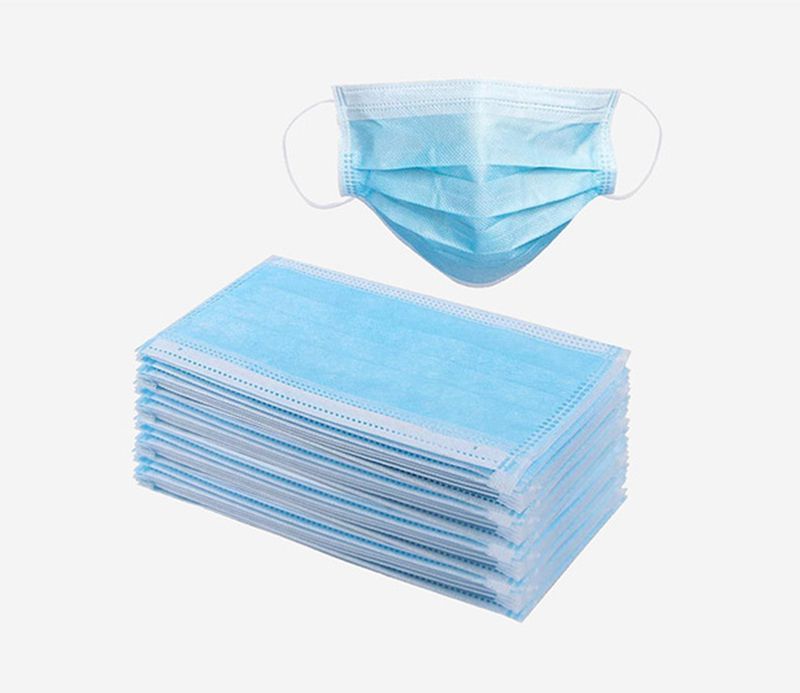
Surgical Mask is one of the most basic yet essential protective items used in medical environments. As part of the broader category of Disposable Medical Devices, surgical masks are designed to support daily clinical operations by reducing exposure to droplets and airborne particles during patient care.
Their widespread use reflects the growing emphasis on standardized protection and infection control in healthcare systems worldwide.
Purpose and Function in Clinical Settings
Surgical masks are primarily worn to create a physical barrier between medical staff and patients. They help limit the spread of microorganisms released through breathing, talking, coughing, or medical procedures.
They are commonly used in:
General hospital wards
Operating and treatment rooms
Outpatient clinics
Diagnostic and testing facilities
Emergency medical environments
In these settings, consistent mask usage contributes to safer interactions and cleaner clinical spaces.
Why Surgical Masks Are Single-Use Products
Unlike reusable protective equipment, surgical masks are intended for one-time use. This design reduces contamination risks and ensures predictable protective performance for every wearer.
As disposable medical devices, surgical masks offer practical advantages such as:
Immediate readiness without preparation
Elimination of cleaning or sterilization steps
Reduced risk of pathogen transfer
Simple disposal after use
These features make them suitable for high-frequency medical activities.
Structural Design and Materials
Most surgical masks are constructed using multiple layers of non-woven fabric. Each layer serves a specific function, such as filtration, structural support, or wearer comfort.
Typical design elements include:
A filtration layer to block particles and droplets
Breathable inner layers for comfort
Secure ear loops or ties for proper fit
A nose clip to improve face sealing
Material quality and production consistency directly influence the mask’s protective effectiveness.
Manufacturing and Quality Expectations
Because surgical masks are classified as disposable medical devices, they are subject to defined manufacturing and quality requirements. Buyers often evaluate products based on production conditions and quality control processes.
Professional manufacturing environments usually involve:
Controlled production areas to minimize contamination
Standardized assembly and sealing methods
Regular performance testing and inspections
Batch-level quality monitoring
These measures help ensure that masks meet expected safety and performance standards.
Considerations for Medical Buyers
For hospitals, distributors, and healthcare institutions, selecting surgical masks involves more than price comparison. Reliability and consistency are essential for uninterrupted clinical operations.
Important considerations include:
Stable supply capacity for routine use
Consistent material and performance standards
Clear documentation and product traceability
Compatibility with local regulatory requirements
A dependable supply of surgical masks supports both daily healthcare delivery and long-term planning.
A Continuing Need in Healthcare Systems
Surgical masks remain a fundamental tool in medical practice. Their role within disposable medical devices is reinforced by ongoing attention to infection prevention, occupational safety, and public health preparedness.
Understanding how surgical masks are designed, produced, and evaluated helps healthcare buyers make informed sourcing decisions in an increasingly regulated market.