What Buyers Should Know About Disposable Sterile Syringes in Today’s Medical Market
2025-11-17
The Disposable Sterile Syringe is one of the most widely used products in modern healthcare and a fundamental component of global Disposable Medical Devices supply. Its role goes far beyond basic injections, directly impacting patient safety, clinical efficiency, and regulatory compliance.
For healthcare providers, distributors, and institutional buyers, understanding how disposable sterile syringes are produced and evaluated is essential when selecting reliable medical supplies.
Why Single-Use Syringes Are Essential in Clinical Practice
Disposable sterile syringes are manufactured for one-time use and delivered in a pre-sterilized state. This design approach significantly reduces the risk of cross-contamination and simplifies infection control procedures in high-traffic medical environments.
Their widespread adoption is driven by several practical advantages:
Reduced exposure to bloodborne pathogens
Consistent sterility without on-site processing
Faster patient turnover in clinical settings
Lower operational complexity for healthcare facilities
These benefits make disposable syringes a standard choice across hospitals, clinics, and outpatient centers.
Key Clinical Applications
Disposable sterile syringes are used in a broad range of medical procedures, including:
Administration of injectable medications
Vaccination and immunization campaigns
Emergency and trauma care
Diagnostic and laboratory procedures
Routine outpatient treatments
Their reliability and ease of use allow medical staff to focus on patient care rather than equipment handling.
Material Selection and Product Design
Most disposable sterile syringes are produced using medical-grade polypropylene due to its durability, chemical resistance, and clarity. Material quality directly affects performance during injection and dosage accuracy.
Key design features typically include:
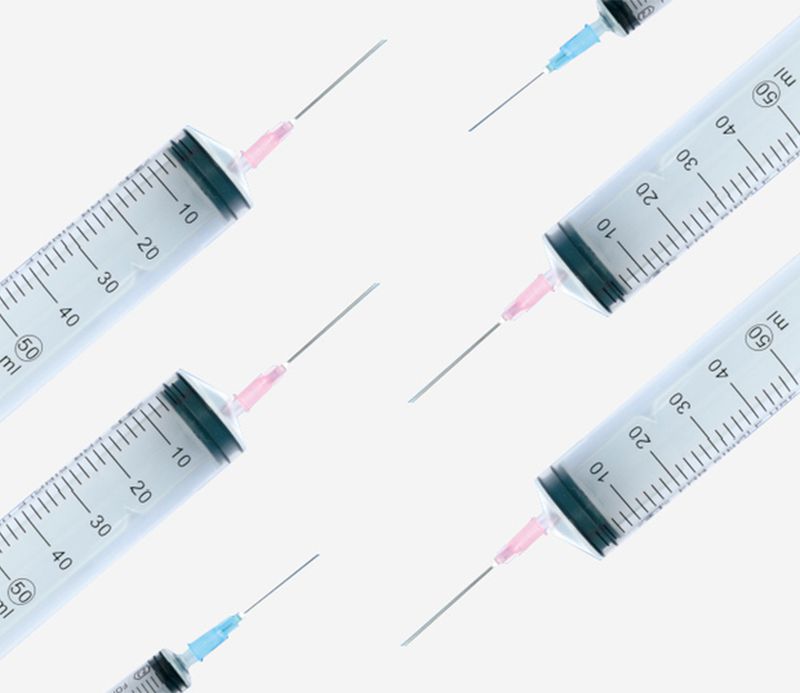
High-transparency barrels with precise graduation marks
Smooth plunger movement for controlled injection
Secure connections to minimize leakage risk
Latex-free components to support patient safety
These factors contribute to consistent performance across large volumes of clinical use.
Manufacturing Standards and Quality Control
As part of the disposable medical devices category, sterile syringes must meet strict quality and regulatory requirements before entering international markets.
Professional manufacturing environments commonly include:
Cleanroom production under GMP conditions
ISO 13485 quality management systems
Automated assembly to ensure dimensional consistency
Batch-level inspection and traceability
These measures help ensure each unit meets medical safety and performance expectations.
Procurement Considerations for Distributors and Institutions
When sourcing disposable sterile syringes, buyers typically evaluate more than just unit price. Long-term supply reliability and compliance are critical, especially for hospitals and public healthcare programs.
Key procurement factors include:
Production capacity for bulk and repeat orders
Stable sterilization and packaging processes
Export experience and documentation support
Ability to meet regional regulatory requirements
Selecting a capable supplier helps reduce supply chain risks and ensures continuity of care.
A Stable Role in Global Healthcare Supply
Despite advancements in medical technology, the disposable sterile syringe remains irreplaceable in everyday medical practice. Its role within disposable medical devices is supported by consistent demand, evolving safety standards, and expanding healthcare access worldwide.
For buyers seeking dependable medical consumables, understanding product fundamentals and manufacturing quality is essential to long-term procurement success.