What is the difference between disposable syringes and non-disposable syringes?
2026-01-26
Syringes are essential medical devices used for injecting medications, withdrawing fluids, and delivering vaccines. They are generally classified into disposable (single-use) and non-disposable (reusable) syringes. Understanding the differences between these two types is important for hospitals, clinics, and medical distributors when selecting the right products.
1. Disposable Syringes
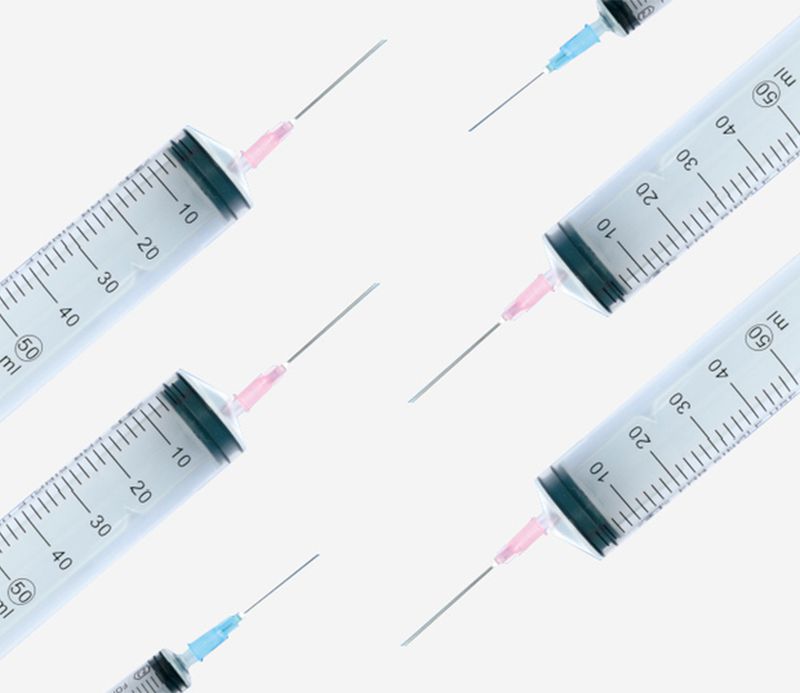
Disposable syringes are designed for single use only and are discarded after one procedure.
Key Characteristics:
Pre-sterilized and individually packaged
Made of medical-grade plastic (PP barrel with rubber plunger)
Lightweight and easy to handle
Available in multiple sizes (1ml–60ml or more)
Compatible with Luer slip or Luer lock needles
Advantages:
Reduces risk of cross-contamination
No need for cleaning or re-sterilization
Saves time in busy clinical environments
Lower infection control risk
Common Applications:
Vaccinations
Intravenous and intramuscular injections
Blood collection
Emergency and surgical procedures
Today, disposable syringes are the standard choice in most hospitals and healthcare facilities worldwide due to strict infection control regulations.
2. Non-Disposable (Reusable) Syringes
Non-disposable syringes are designed for repeated use after proper sterilization.
Key Characteristics:
Typically made of glass or durable medical materials
Require sterilization (autoclaving) after each use
Longer service life compared to disposable models
Advantages:
Durable construction
Reduced long-term material waste
Historically used before widespread adoption of disposable devices
Limitations:
Higher risk of infection if sterilization is incomplete
Time-consuming cleaning and sterilization process
Higher labor and equipment costs
Not compliant with modern infection-control standards in many regions
Due to safety concerns and regulatory changes, reusable syringes are now rarely used in modern hospital environments.
3. Key Differences at a Glance
| Feature | Disposable Syringe | Non-Disposable Syringe |
|---|---|---|
| Usage | Single-use | Multiple-use |
| Sterility | Pre-sterilized | Requires sterilization after each use |
| Material | Plastic (PP) | Glass or durable material |
| Infection Risk | Very low | Higher if not properly sterilized |
| Time Efficiency | Ready to use | Requires cleaning process |
| Current Usage | Widely used globally | Limited use today |
4. Which One Is Better for Hospitals?
For modern hospitals and clinics, disposable sterile syringes are the preferred option. They support:
Strict infection control policies
Efficient workflow management
Reduced cross-patient contamination
Compliance with international healthcare standards
Reusable syringes are largely phased out in professional medical settings due to safety risks and regulatory requirements.
Conclusion
The primary difference between disposable and non-disposable syringes lies in usage frequency, sterility management, and infection control. Disposable syringes provide a safer, more efficient solution for today’s healthcare systems, while reusable syringes represent an older method that has been largely replaced in modern practice.
For hospitals, distributors, and healthcare providers seeking reliable and compliant syringe solutions, working with an experienced manufacturer ensures consistent quality and supply stability.