What is the difference between tape and medical tape?
2026-06-24
Although both products are called “tape,” general tape and medical tape are designed for completely different purposes. The key differences lie in material safety, adhesive formulation, skin compatibility, and regulatory compliance.
Understanding these differences is important for healthcare providers, distributors, and procurement teams.
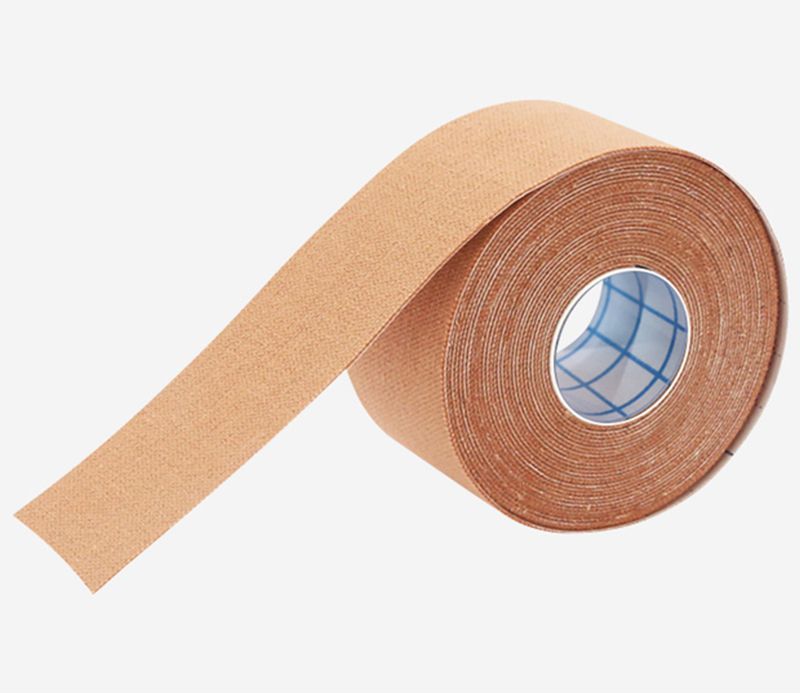
Purpose and Intended Use
General Tape
Used for:
Packaging
Office tasks
Household repairs
Industrial applications
It is not designed for direct skin contact or medical environments.
Medical Tape
Specifically designed for:
Securing wound dressings
Fixing IV lines and catheters
Supporting bandages
Post-surgical care
Medical tape is engineered for direct skin application and patient safety.
Adhesive Formulation
General Tape Adhesive
Strong bonding strength
May contain industrial-grade chemicals
Not tested for prolonged skin contact
Using general tape on skin may cause irritation or allergic reactions.
Medical Tape Adhesive
Hypoallergenic or skin-friendly formulations
Designed to minimize skin trauma
Balanced adhesion for secure but gentle removal
The adhesive strength is optimized to protect fragile or sensitive skin.
Material and Breathability
General Tape
Often plastic-based (e.g., PVC or polypropylene)
Not breathable
Can trap moisture and heat
Medical Tape
May be paper, non-woven, silk, or cloth
Breathable structure
Allows air circulation to support wound healing
Breathability helps reduce skin maceration and discomfort.
Sterility and Hygiene Standards
General Tape
Not produced under medical-grade cleanroom conditions
No sterility assurance
No biocompatibility testing
Medical Tape
Manufactured under medical device quality systems
Biocompatibility tested
May be sterile (depending on application)
Complies with medical regulatory standards
Medical tape must meet strict safety and performance requirements.
Skin Safety and Clinical Performance
| Feature | General Tape | Medical Tape |
|---|---|---|
| Skin-Safe Adhesive | Not guaranteed | Designed for skin |
| Breathable | Usually no | Yes |
| Hypoallergenic | No | Often yes |
| Medical Regulation | No | Yes |
| Clinical Use | Not suitable | Designed for it |
Can General Tape Be Used on Skin?
Using general-purpose tape on skin is not recommended because it:
May cause irritation or rash
Can damage skin during removal
Is not designed for medical hygiene standards
May introduce contaminants
Healthcare environments require certified medical-grade materials to ensure patient safety.
Conclusion
The main difference between tape and medical tape lies in intended use, adhesive safety, material design, and regulatory compliance. Medical tape is specifically engineered for direct skin contact, breathability, and clinical reliability, while general tape is designed for industrial or household tasks.
For hospitals and clinical settings, only medical-grade tape should be used to ensure patient safety and effective fixation.